Address
Gunung Cilik, Ds. Muntuk, Kec. Dlingo, Kab. Bantul, Special Region of Yogyakarta 55783, Indonesia
Opening Hours (non-staying guests)
Monday to Friday: 10:30 – 20:00 WIB.
Address
Gunung Cilik, Ds. Muntuk, Kec. Dlingo, Kab. Bantul, Special Region of Yogyakarta 55783, Indonesia
Opening Hours (non-staying guests)
Monday to Friday: 10:30 – 20:00 WIB.

Japan is home to countless cultural traditions that have gained global fame. Yet, there are still many customs that remain lesser known—even within Japan itself. One such example is Oiran Dochuu, a traditional Japanese festival held annually every spring, typically on a Saturday in April. This event features an extravagant and elegant parade unlike any other.
Unlike the more familiar geisha, the term and profession of oiran are not as well-known internationally. Although they share similarities, there are striking differences between the two. A geisha is primarily an artist, whereas an oiran is both an artist and a courtesan. Historically, oiran were highly skilled and educated women who offered artistic entertainment—with their main role being the providers of companionship and intimacy for high-ranking officials.
During Japan’s Edo period (1603–1868), the oiran profession was deeply respected and admired. These women were renowned for their beauty, intelligence, and artistic mastery. They wore layered, luxurious garments adorned with ornate jewelry and accessories. To promote their prestige, oiran often held grand processional parades accompanied by attendants and guards dressed in equally resplendent attire.
The story of oiran dochuu cannot be separated from Japan’s transition from the Muromachi to the Edo era. In the 17th century, Tokugawa Ieyasu relocated his government from Kyoto to Edo—modern-day Tokyo—establishing the bakufu, a shogunate military system. This new social structure created a demand for refined entertainment, art, and exclusive companionship. The oiran, highly educated women with exquisite artistic and musical sensibilities, became the embodiment of this elite culture.
During the parade, the oiran would display their grace, refinement, and artistic skill. Unlike common courtesans, known as yuujo, the oiran were considered high-class entertainers, akin to that of nobility. In Japan, courtesans were divided into several ranks, including tayū, kōshi, yobidashi tsukemawarashi, sancha, tsukemawarashi, and zashikimochi. The tayū were the highest rank, and the term oiran was used as a more elegant reference to this prestigious title.
The word oiran (花魁) combines hana (花), meaning “flower,” and sakigake or kai (魁), meaning “first” or “leader.” When performing or participating in parades, oiran wore opulent, multilayered kimonos tied with a front obi, a mark of their profession, weighing up several dozen kilograms. Their splendor made them stand out vividly, like blossoms blooming in the wild.
During the oiran dochuu procession, each oiran not only bore the weight of her ornate kimono embroidered with gold threads but also wore koma-geta, which are wooden sandals towering up to 20 centimeters. To walk gracefully, she would rest her hands on her attendants’ shoulders and move with a signature gait called hachi-monji ashi, in which her steps traced the shape of the number eight (hachi, 八).
Throughout oiran dochuu history, hairstyling was an even more complex art than dressing. The hyougo shimada hairstyle—a large, elaborate chignon—was decorated with dozens of kanzashi (hair ornaments), red ribbons (momo-iro himo), flowers, and other adornments, weighing up to 2–3 kilograms. Styled by expert kamiyui (Edo-period hairdressers), an oiran’s hairstyle represented perfection, beauty, and elevated social status.
By the end of the Edo period, the oiran dochuu tradition gradually disappeared as the Meiji Restoration government sought to abolish high-class prostitution. The oiran’s role in art and entertainment faded, overshadowed by the rise of the more accessible and exclusive geisha. Eventually, the oiran profession vanished entirely from Japanese society.
Decades passed, and Japan began rebuilding itself after the devastation of Nagasaki and Hiroshima. For a time, the memory of the oiran was completely forgotten. Yet, in the modern era, Japan revived the oiran dochuu, not as a profession, but as a cultural festival, celebrating heritage and artistry rather than sensuality.
Grand Music and Ceremonial Splendor
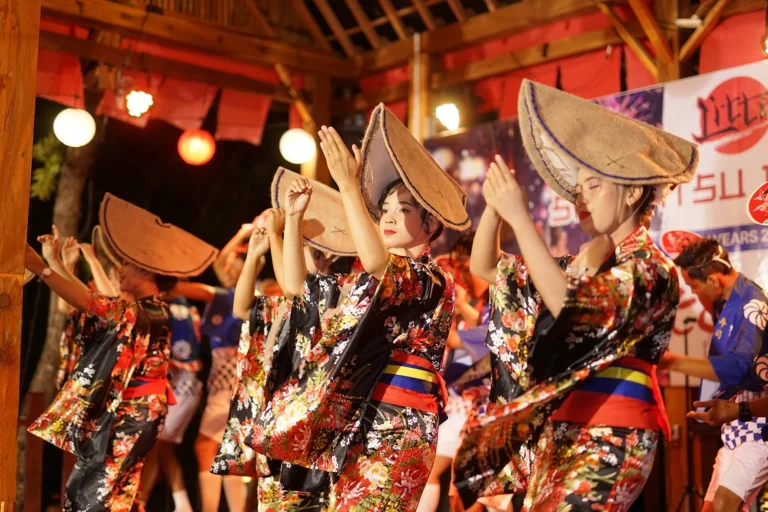
During the parade, oiran walk accompanied by attendants, guards, and performers wearing playful animal masks. These characters often dance or play ceremonial music to draw spectators’ attention. The attendants and guards wear outfits ranging from simple to ornate, matching the oiran’s lavish costume. The modern-day performers portraying oiran don elaborate multilayered kimonos, intricate hairstyles, and high koma-geta sandals towering up to 20cm, recreating the grandeur of the past.
The profession of oiran may be part of Japan’s dark past, one it prefers to keep tightly sealed. Yet, the cultural legacy they left behind, from their refined artistry and exquisite sense of beauty to the splendor they embodied, continues to live on through traditional Japanese festivals, reimagined today as celebrations of modern art.
Preserving the history of oiran dochuu in the present day is Japan’s way of cherishing a cultural heritage that once shaped its own history. Throughout the year, you can find oiran parades across Japan, but the most famous of all is the Ichiyo Sakura Asakusa Festival, which reaches its highlight in the Shinagawa Oiran Dochuu procession.
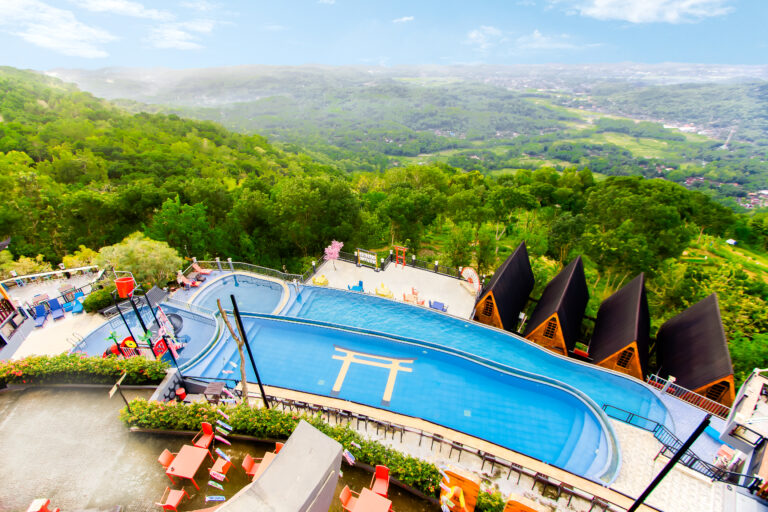
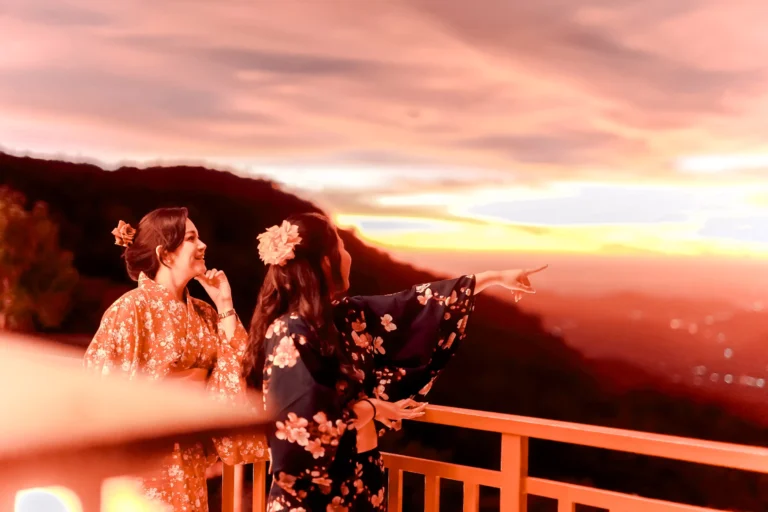
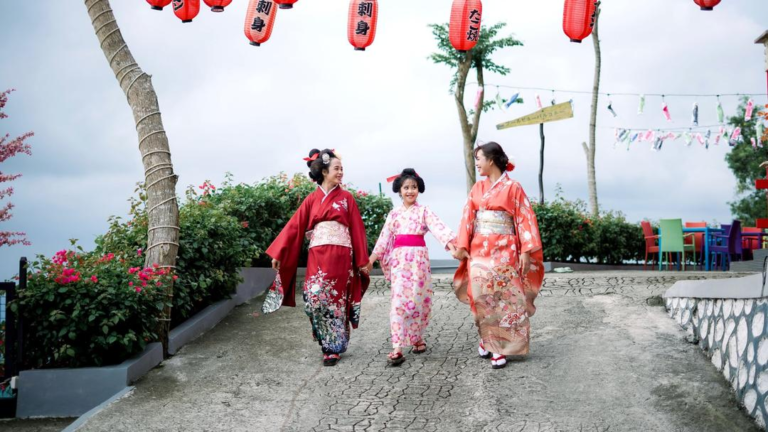
Without needing to travel all the way to Japan, you can also experience the Oiran Dochuu Parade right here in Indonesia. At Litto Jogja, this Japanese-themed hotel and resort presents the graceful allure of the oiran — complete with the elegance of her hachi-monji hairstyle — in festivals or special performances for group reservations.
[]