Address
Gunung Cilik, Ds. Muntuk, Kec. Dlingo, Kab. Bantul, Special Region of Yogyakarta 55783, Indonesia
Opening Hours (non-staying guests)
Monday to Friday: 10:30 – 20:00 WIB.
Address
Gunung Cilik, Ds. Muntuk, Kec. Dlingo, Kab. Bantul, Special Region of Yogyakarta 55783, Indonesia
Opening Hours (non-staying guests)
Monday to Friday: 10:30 – 20:00 WIB.
Often hailed as the “premium” of Java, Jogja rightfully earns that title for upholding noble manners, refined etiquette, and the preservation of tradition. Before the establishment of the Yogyakarta Sultanate, the region of Yogyakarta was part of the Islamic Mataram Kingdom, whose capital was in Surakarta. Yet, long before moving to Surakarta, the Islamic Mataram capital had shifted several times—from Kotagede to Pleret, and finally to Kartasura.
The division of Mataram Islam due to a throne dispute marked the birth of the Yogyakarta Sultanate. A once-unified cultural identity split after the Jatisari Agreement, giving rise to two distinct royal cultures: Yogyakarta retained the traditional Mataram identity, while Surakarta evolved its own modified version.
Thus, despite their apparent similarities, the cultures of the Kasunanan of Surakarta and the Kasultanan of Yogyakarta are far from identical—reflected in their gamelan ensembles, dances, attire, customs, and more. To this day, Yogyakarta remains a special region with autonomous governance, deeply rooted in tradition.
Beyond being the “City of Students,” Jogja has grown into a cultural and tourist hub. Its wealth of attractions lures visitors eager to experience the city’s famed slow living lifestyle. Jogja’s tourism deserves every bit of praise—not just for its natural beauty, but also for its cultural richness, historical depth, and the kindness and courtesy of its people.
The government’s dedication to developing tourist destinations and improving access has made once-remote areas newly popular. Remarkably, despite the rapid growth of infrastructure, Jogja’s cultural soul and natural serenity remain intact. Truly, the allure of Jogja seems eternal—untouched by time.
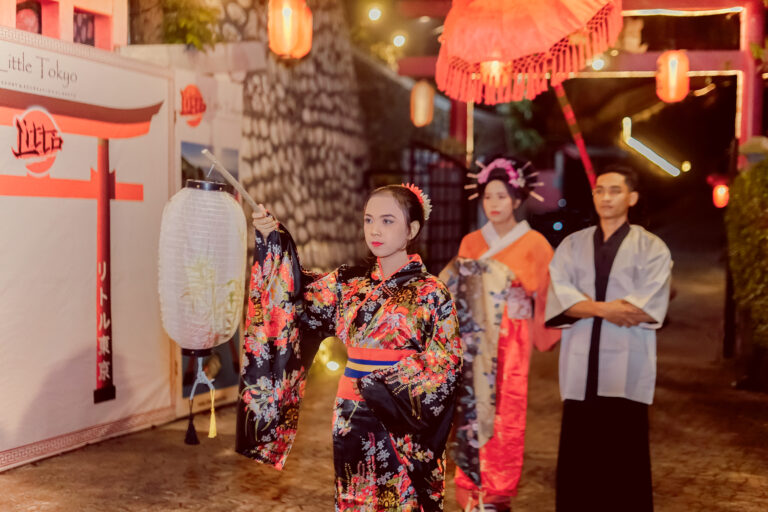
Like Jogja, Kyoto in Japan once served as a nation’s capital. These sister cities share a harmony between cultural heritage and growing modernity. Meanwhile, Tokyo—Japan’s current capital—retains tradition even as modern life dominates. The presence of Little Tokyo, a miniature concept of Tokyo within Jogja, seeks to offer calm and peace amid the hum of city life.
Litto, a hotel in Jogja inspired by Japanese aesthetics, draws from Okutama—a tranquil retreat west of Tokyo. In the same spirit, Litto aspires to be a sanctuary for those seeking peace of mind and heart. To satisfy the evolving lifestyle of travelers, Litto spares no effort in providing modern Japanese-style facilities and exceptional service.
Jogja continues to evolve with the times. Yet it never loses its essence as a city that honors tradition and cherishes nature. Litto walks in harmony with this spirit—embracing Japanese modernity while maintaining environmental preservation and building relationships with local communities.
Jogja’s attractions span nature, culture, education, history, spirituality, and more. Within this diverse landscape, Litto stands out as a unique destination—offering an experience that defies the ordinary. More than just a modern Japanese-inspired recreation spot, Litto is also a hotel alternative boasting stunning natural scenery—as exceptional as Jogja itself.
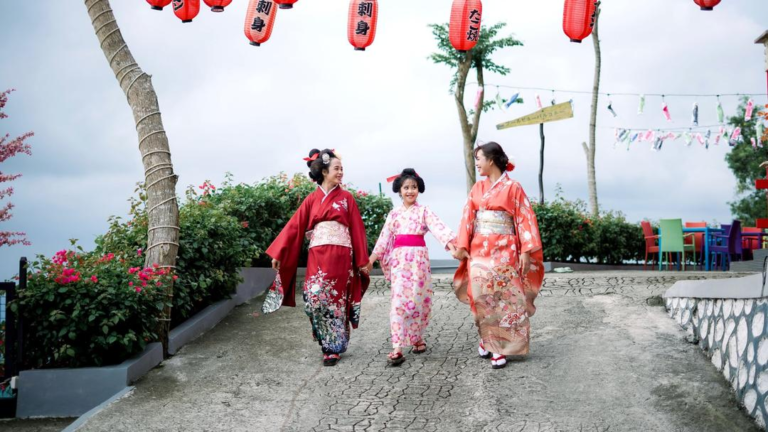
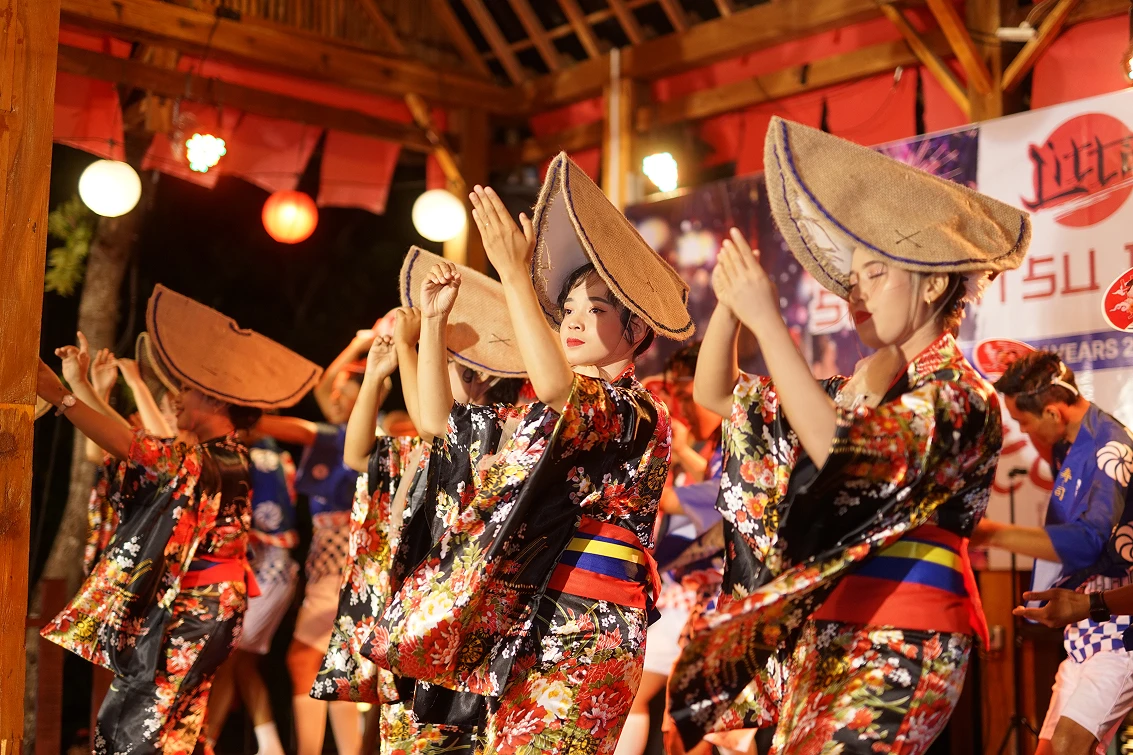
A visit to Litto Jogja reveals a seamless fusion of traditional values and modern flair. This balance reflects Litto’s mission to introduce a distinct kind of tourism to Jogja. The cultural interplay manifests beautifully in the Jogja-Japan Festival, a collaboration that unites two seemingly different worlds under one elegant breath—each graceful in its own right.
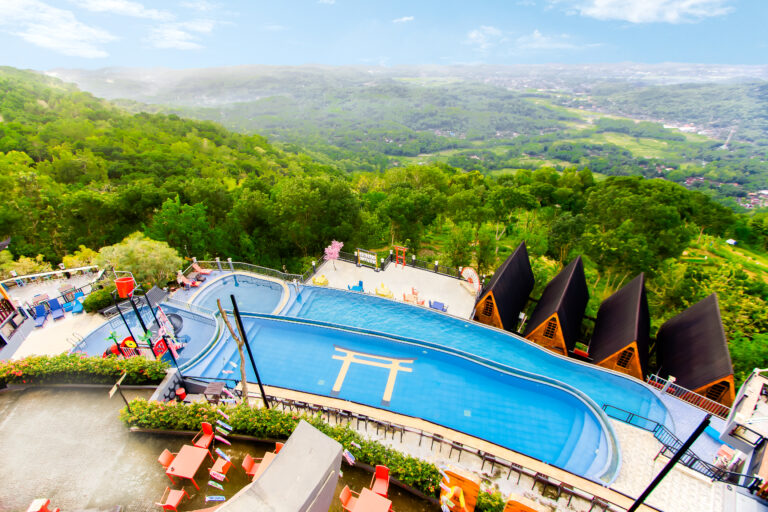
The Jogja–Japan harmony extends beyond festivals to the culinary offerings at Asakusa Resto. This indoor restaurant, part of the hotel’s modern and luxurious complex, is adorned with authentic Japanese décor. Litto’s modern touch also shines through its facilities—from a scenic swimming pool and a hot-air balloon reminiscent of Cappadocia’s skies to a mini waterpark and more.
Jogja is renowned for its rich cultural heritage—the heart of Javanese culture and the first destination on many travelers’ lists. Yet, Litto’s presence as a distinctive, Japanese-themed destination doesn’t dilute Jogja’s identity. Instead, it enriches it—adding diversity and depth to Jogja’s cultural landscape.
Strategically located, Litto is easily accessible from nearby attractions like Puncak Pinus Becici and Hutan Pinus Mangunan. Guests can even rent a jeep from Litto to explore surrounding spots at leisure. And even if time is short, stopping by Litto just to take photos is perfectly worthwhile.
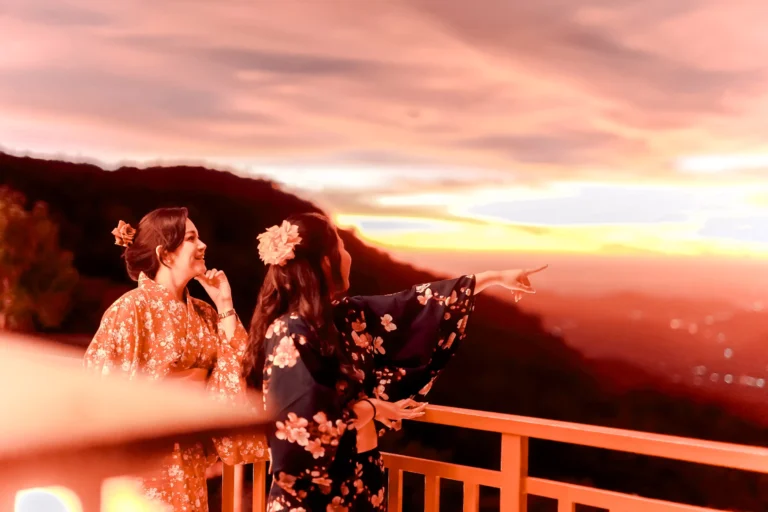
With its breathtaking panoramas, Litto remains committed to environmental preservation. For Litto, true peace and tranquility can only exist when modern growth embraces, rather than uproots, deeply rooted traditions. Above all, Jogja continues to thrive in its endless comfort—wrapped in the boundless beauty of its natural landscape.
[]